Searching for the best carapulcra near me is about more than locating a restaurant serving Peruvian cuisine. It means finding a kitchen that understands one of Peru’s most historically significant traditional stews. Carapulcra combines potatoes, meat, ají peppers, peanuts, and aromatic seasonings into a rich dish shaped by centuries of culinary exchange.
Although carapulcra remains a recognized specialty in Peru, it may be limited outside established Peruvian communities. A restaurant advertising Peruvian food does not necessarily prepare it regularly.
A local restaurant search around Karachi, Pakistan, did not establish a verified restaurant currently serving carapulcra. Consequently, without further menu confirmation, no establishment can be responsibly identified as the best nearby option.
Understanding the dish itself is the most reliable starting point for finding an authentic preparation.
What Is Carapulcra?
Carapulcra is a traditional Peruvian stew commonly prepared with dried potatoes, pork or chicken, ají panca, garlic, onions, peanuts, and spices.
Its defining characteristic is how the potatoes interact with the seasoned cooking liquid. As the potatoes soften, they absorb flavor while helping create a substantial, concentrated consistency.
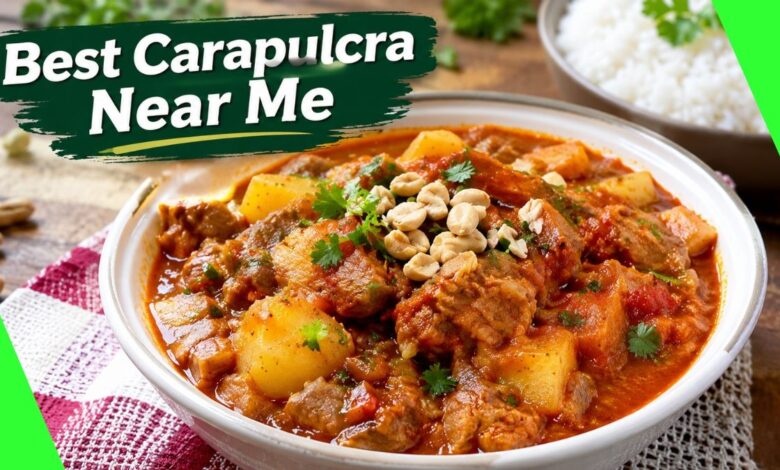
Unlike a thin soup, traditional carapulcra is generally thick and hearty. Its flavor is savory, earthy, mildly smoky, and sometimes subtly sweet, depending on the ingredients and regional cooking method.
The Peruvian tourism authority includes dried potatoes, pork belly, ground ají panca, peanuts, cumin, cinnamon, and cloves in its published recipe. It recommends serving the finished stew with rice or boiled cassava.
Carapulcra is therefore not simply another meat-and-potato dish. Its preparation reflects a distinctive blend of Indigenous Andean ingredients and cooking traditions shaped by later cultural influences.
The Historical Origins of Carapulcra
Carapulcra’s historical significance is closely connected to Peru’s agricultural heritage.
Potatoes have been cultivated in the Andes for thousands of years, and preservation methods allowed communities to store food beyond the growing season. Dried potatoes became particularly important because they could be transported and stored more easily than fresh produce.
Peruvian government cultural publications link carapulcra to early Andean cooking traditions and the Aymara expression qala phurk’a, associated with cooking with heated stones.
However, no single, universally accepted explanation can account for the dish’s exact linguistic development and historical evolution.
Indigenous, Spanish, and Afro-Peruvian Influences
The development of carapulcra illustrates how different communities contributed to Peru’s food culture.
Its Indigenous foundations include potatoes, chili peppers, and longstanding Andean food-preservation practices.
Spanish colonial influence contributed ingredients and cooking approaches associated with pork, chicken, onions, garlic, and additional seasonings.
Afro-Peruvian communities also played an important role in developing regional food traditions, particularly around Chincha in southern Peru.
These influences produced regional preparations rather than a single unchanged recipe.
That distinction matters when evaluating authenticity. A restaurant’s version should be assessed against the culinary tradition it represents, not against an assumption that every Peruvian household prepares carapulcra identically.
What Makes Authentic Carapulcra Special?
The quality of carapulcra depends on ingredient selection, careful seasoning, and sufficient cooking time.
Dried Potatoes and Their Distinctive Texture
Papa seca, or dried potato, is central to many traditional versions.
The potatoes are commonly toasted, washed, rehydrated, and simmered until tender. This process helps them absorb the stew’s seasonings while retaining a recognizable texture.
Properly cooked pieces should be tender without becoming an indistinguishable paste.
The resulting consistency is one of the strongest indicators of a carefully prepared dish.
Ají Panca and Balanced Seasoning
Ají panca is a Peruvian chili valued for its deep color and relatively gentle heat.
It adds rich flavor with fruity, smoky notes. Rather than overwhelming the dish with sharp spiciness, it supports the savory ingredients.
Garlic, onions, cumin, and other seasonings develop additional complexity during cooking.
Some recipes incorporate cinnamon or cloves, but these ingredients should complement, not dominate, the stew.
Meat and Slow Cooking
Pork is common in contemporary carapulcra, although chicken and other variations exist.
Cook the meat thoroughly and keep it tender. Slow simmering lets its flavor meld with the potatoes and sauce.
A well-prepared serving should feel cohesive: the potatoes, meat, and seasoning belong together rather than tasting like separate components.
The Importance of Peanuts
Ground or crushed peanuts contribute richness and help thicken the stew.
Their role is not merely decorative. They can soften the chili’s intensity and add a rounded, nutty flavor.
Anyone with a peanut allergy should confirm ingredients directly with the restaurant, since peanuts are common in traditional preparations.
How to Find the Best Carapulcra Near You
Locating authentic carapulcra requires a more targeted approach than searching broadly for South American restaurants.
Search for Restaurants Specializing in Peruvian Cuisine
Begin with restaurants that explicitly identify their cooking as Peruvian.
Establishments serving ceviche, lomo saltado, ají de gallina, and anticuchos may be worth investigating, though those dishes don’t guarantee carapulcra is available.
Useful searches include:
- Carapulcra Peruana near me
- Authentic Peruvian restaurant near me
- Carapulcra delivery near me
- Peruvian pork and potato stew
- Carapulcra con sopa seca
- Carapulcra chinchana
Search results should be checked against current menus rather than relying entirely on restaurant categories.
Examine Menus Carefully
Carapulcra may appear under different descriptions.
Some menus use its Spanish name, while others describe it as a traditional potato stew with pork.
A restaurant may also offer it as a weekend specialty or as part of a regional Peruvian menu.
If the dish is absent from an online menu, contact the restaurant directly to confirm whether it is available on certain days.
Look for Detailed Customer Reviews
Reviews can be useful when they describe specific dishes rather than offering only general praise.
Photographs and comments mentioning carapulcra, papa seca, ají panca, or sopa seca are more relevant than an overall restaurant rating.
Recent reviews are particularly valuable because menus, chefs, and operating arrangements can change.
Still, a positive review cannot, on its own, confirm that a dish is currently available.
Carapulcra Chinchana and Regional Variations
Not every carapulcra follows the same recipe.
One particularly important variation comes from Chincha, in Peru’s Ica region.
Carapulcra chinchana is associated with a distinctive regional preparation that may use fresh potatoes rather than the dried potatoes common in other versions.
It is frequently served with sopa seca, a seasoned noodle dish.
Together, these preparations are associated with manchapecho, a celebrated combination in the regional culinary tradition.
Carapulcra With Sopa Seca
Sopa seca translates literally as “dry soup,” but the dish is better understood as seasoned noodles cooked with flavourful ingredients.
When served alongside carapulcra, the noodles complement the stew’s rich texture and concentrated seasoning.
The combination is associated with family gatherings, celebrations, and regional food traditions.
For diners exploring Peruvian cuisine, it offers a particularly informative example of how dishes evolve through cultural exchange.
What to Expect When Ordering Carapulcra
A typical serving is substantial and filling.
The stew usually has a deep reddish-brown appearance, reflecting its chili seasoning and slow cooking.
Its consistency should be thick enough to coat the potatoes and meat without becoming excessively dry.
Depending on the restaurant, it may arrive with white rice, boiled cassava, or seasoned noodles.
How Spicy Is Carapulcra?
Carapulcra is not necessarily extremely spicy.
Ají panca is often valued more for flavor and color than intense heat. However, the finished dish’s spiciness depends on the peppers and quantities the cook uses.
Customers sensitive to chili should ask how the restaurant prepares it.
Is Carapulcra Suitable for Vegetarians?
Traditional versions frequently contain pork or chicken, and some recipes use meat-based stock.
Vegetarian adaptations are possible using vegetables and suitable stock, but they should be identified as adaptations rather than assumed to be traditional meat-free preparations.
Dietary and Religious Considerations
Customers avoiding pork should ask whether the restaurant offers chicken or vegetarian carapulcra.
They should also check the stock, cooking fats, and other ingredients.
Some established recipes include wine or port, although alcohol isn’t essential to every preparation.
For diners requiring halal food, confirm both meat sourcing and the full ingredient list before ordering.
How Much Does Carapulcra Cost?
There is no reliable universal price for carapulcra.
Restaurant pricing depends on location, portion size, meat selection, imported ingredients, and whether the dish is part of a larger meal.
Outside Peru, ingredients such as papa seca and ají panca may require specialist sourcing.
This can affect preparation costs, but it does not automatically establish that a more expensive serving is more authentic.
Customers should compare the complete meal rather than price alone, particularly when one restaurant includes rice or sopa seca and another charges separately for accompaniments.
Can You Order Carapulcra for Delivery?
Delivery availability varies by restaurant and city.
Carapulcra can be suitable for takeaway because its thick consistency makes it comparatively practical to package.
However, quality still depends on temperature control, packaging, and delivery time.
For the best experience, choose a restaurant that prepares the dish freshly and uses appropriate food-safe containers.
Rice, noodles, and other accompaniments may benefit from separate packaging.
If ordering through a delivery app, check the current menu and confirm that carapulcra is available before paying.
Making Carapulcra at Home
When nearby restaurants do not offer carapulcra, home preparation is a practical alternative.
A traditional-style version generally begins with dried potatoes, meat, ají panca, onions, garlic, peanuts, stock, and seasonings.
The preparation involves several stages:
- Toast and rehydrate the dried potatoes as the recipe directs.
- Brown the meat, then prepare an aromatic base with onions, garlic, and chili.
- Combine the ingredients with stock and appropriate seasonings.
- Simmer until the potatoes are tender and the meat is thoroughly cooked.
- Add peanuts, adjust the seasoning, and serve with rice or cassava.
Cooking time varies by potato type, meat, and recipe.
Peru’s official tourism recipe provides a useful reference for a pork-based version, while published recipes by Peruvian chefs demonstrate additional interpretations.
Why Carapulcra Deserves Greater Recognition
Carapulcra offers an important perspective on Peruvian cuisine beyond internationally familiar dishes such as ceviche.
Its significance comes partly from the way preserved potatoes connect contemporary cooking with longstanding Andean agricultural practices.
The dish also demonstrates how Indigenous, European, and Afro-Peruvian influences shaped regional food traditions.
This cultural background makes authenticity more complicated than strict adherence to a single ingredient list.
A carefully prepared regional variation can be authentic even when it differs from another established recipe.
For diners, the most meaningful standard is whether the restaurant understands the dish’s ingredients, preparation, and regional identity.
Conclusion
Finding the best carapulcra near me begins with recognizing what makes the dish distinctive: carefully prepared potatoes, balanced ají seasoning, tender meat, and a cooking tradition deeply connected to Peru’s cultural history.
The best restaurant choice isn’t necessarily the most expensive or highest-rated establishment. It shows knowledge of the dish, explains its ingredients, and prepares it consistently.
When verified local availability is limited, checking specialist Peruvian menus or preparing the dish at home is more dependable than relying on unsupported restaurant recommendations.
Carapulcra remains an important expression of Peruvian food heritage, combining traditional ingredients with centuries of culinary adaptation.
(FAQs)
1. Where can I find the best carapulcra near me?
Start with restaurants specializing in Peruvian cuisine and check their current menus. Search for carapulcra, carapulcra peruana, or carapulcra con sopa seca. Confirm availability directly before visiting.
2. What is traditional carapulcra made from?
Many traditional recipes contain dried potatoes, pork or chicken, ají panca, onions, garlic, peanuts, and aromatic seasonings. Ingredients vary by region and household.
3. Is carapulcra a spicy Peruvian dish?
Carapulcra usually has a rich chili flavor, but it is not necessarily extremely hot. The spice level depends on the variety and quantity of peppers used.
4. What is the difference between carapulcra and carapulcra chinchana?
Many familiar versions use dried potatoes, while the Chincha regional preparation often uses fresh potatoes and is commonly served with sopa seca.
5. Can I find halal carapulcra?
A halal-compatible adaptation may be possible with appropriately sourced chicken or other permissible ingredients. However, customers must verify the meat, stock, cooking ingredients, and absence of alcohol rather than assuming a restaurant’s version meets halal requirements.